
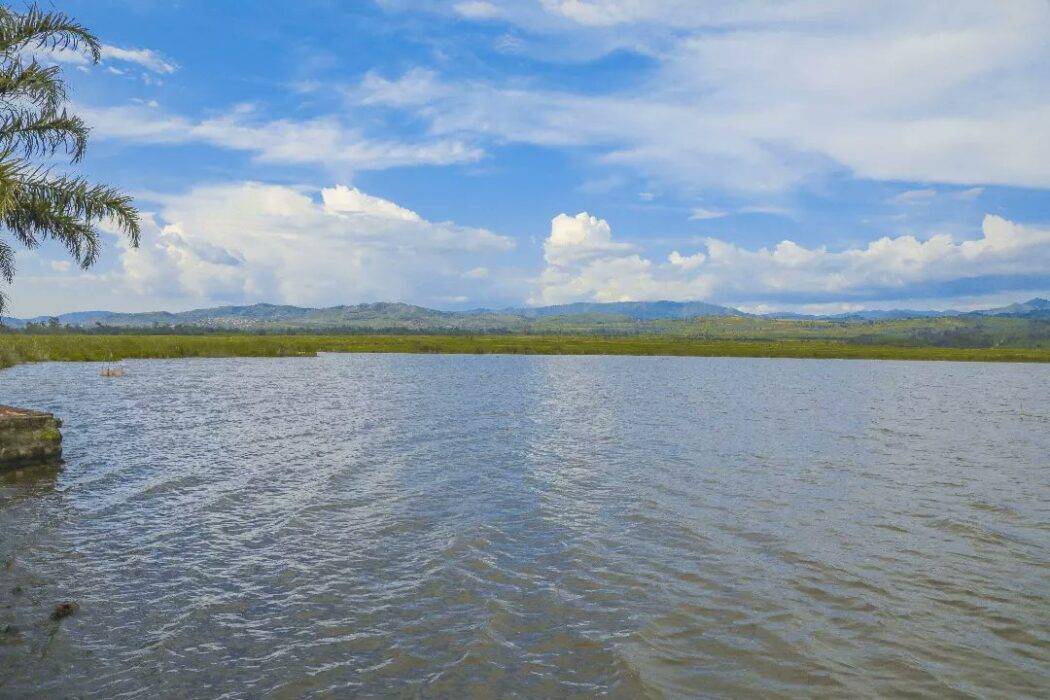
Burundi, with a surface area of 27,834 km², has a hydrographic network comprising several lakes. While Lake Tanganyika is the largest in terms of volume and surface area, the country also boasts several smaller lakes, mainly located in the Bugesera region (Kirundo province) in the north of the country.
Lake Tanganyika: main features
Lake Tanganyika is the country's main body of water. The second deepest lake in the world and the second largest in Africa by surface area, it is shared by four countries: Burundi, Tanzania, Zambia and the Democratic Republic of Congo. It is home to significant biodiversity (including hundreds of endemic cichlid species) and is a regional transport route, as well as a major fishing zone supplying the city of Bujumbura and neighboring towns.
Northern Lakes (Bird Lakes)
In addition to Tanganyika, Burundi has a series of freshwater lakes located mainly in the north of the country. These lakes are part of the Nile basin:
Lakes Rweru and Cohoha: These two lakes border Rwanda. Lake Rweru plays a role in the Akagera hydrological system. Lake Cohoha (comprising the Cohoha Sud and Cohoha Nord sections) is a source of water for agro-pastoral activities in the surrounding rural areas.
Lake Rwihinda: Located inland, it is classified as a managed nature reserve. Nicknamed the "bird lake", it is a nesting site for migratory and sedentary birds of ornithological interest.
Lakes Kanzigiri, Gacamirinda and Dogodogo: These smaller bodies of water complete the lake complex in Kirundo province. They are used locally for irrigation and artisanal fishing.
Ecological and economic functions
These aquatic ecosystems perform several functions:
Fishing resources: Fishing remains a subsistence activity for local populations, although catch volumes vary according to lake and season.
Agriculture: Peripheral wetlands and lake water are used for agriculture, particularly during the dry season.
Biodiversity: These lakes are home to a variety of aquatic and avian species. The Rwihinda reserve is specifically dedicated to conservation.
Tourism situation
Lake tourism in Burundi is mainly concentrated on the shores of Lake Tanganyika, which boasts hotel infrastructures and developed beaches. The northern lakes, while offering potential for ecotourism (birdwatching), have more limited infrastructure and remain less popular destinations.


There are no reviews yet. Be the first one to write one.