A complete guide to plan your visit
Nestled in the heart of East Africa, Burundi attracts travelers with its captivating landscapes, rich cultural heritage and warm hospitality. When planning your Burundi adventure, understanding the country's seasonal variations is crucial to making the most of your experience. This comprehensive guide dives into Burundi's distinct seasons, offering insight into the best times to visit for different activities and interests.
Unveiling Burundi's seasonal rhythm
Burundi's tropical climate is characterized by two distinct dry seasons and two rainy seasons. These seasonal changes influence landscapes, temperatures and the country's suitability for various outdoor activities.
Dry seasons: Unveiling Burundi's sunny charm
June to August: Embracing the heat
Burundi's first dry season, from June to August, is a popular time to visit. The skies are mostly clear, painting the landscape a brilliant blue. Temperatures soar to pleasant averages of 25-27°C (77-80°F) in Bujumbura, making it an ideal time to enjoy the sunny beaches of Lake Tanganyika. This season is also perfect for exploring the country's bustling cities, indulging in outdoor activities and immersing yourself in Burundi's rich cultural tapestry.
December to January: A festive interlude
The second dry season, from December to January, offers a delightful continuation of sunny days and warm temperatures. This period coincides with the festive season, adding a touch of gaiety to the already vibrant atmosphere. Whether you're looking for a rejuvenating break from the freezing winter or a unique festive getaway, Burundi's December-January dry season won't disappoint.
Rainy seasons: Embracing Burundi's verdant beauty
February to May: A symphony of greens
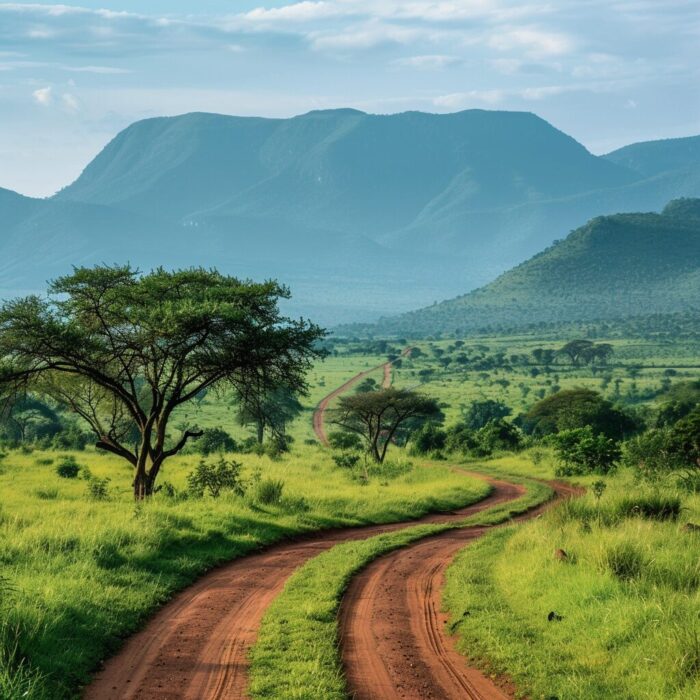
Burundi's first rainy season, from February to May, paints the landscape in a lush green hue. Increased rainfall transforms the countryside into a verdant paradise, ideal for nature enthusiasts looking to capture the essence of Burundi's natural beauty. While some hiking trails may become less accessible, this season offers a unique opportunity to admire the country's waterfalls at their best.
September to November: A serene retirement
The second rainy season, from September to November, offers a feeling of tranquility and fewer crowds. Temperatures remain mild, offering a comfortable respite from the heat of the dry seasons. This period is well suited to those seeking a more relaxed pace, allowing them to immerse themselves in the local culture and explore the country's hidden gems without the hustle and bustle of the high season.
Tailor your Burundi adventure
For sun worshippers and outdoor enthusiasts:
- Ideal seasons : June-August, December-January
- Recommended activities : Soak up the sun on the beaches of Lake Tanganyika, go hiking, explore the national parks and take part in outdoor activities.
For nature lovers and photographers :
- Ideal seasons : February-May, September-November
- Recommended activities : Admire lush greenery, capture breathtaking landscapes, explore waterfalls at their peak and embark on nature photography expeditions.
For cultural immersion and urban exploration:
- Suitable seasons : All year round
- Recommended activities : Immerse yourself in Bujumbura's museums and markets, discover ancient cultural sites and experience vibrant local traditions.
Additional tips for a memorable Burundi experience
- Stay informed about the weather: Although seasonal patterns are generally predictable, it is advisable to consult weather forecasts closer to your travel dates.
- Pack accordingly: For dry seasons, light, breathable clothing is recommended. For rainy seasons, bring rain gear and waterproof footwear.
Understanding Burundi's climate
- Two dry seasons:
- June to August: the long dry season
- December to February: the short dry season
- Two rainy seasons:
- March to May: the main rainy season
- September to November: the short rainy season
- Moderate temperatures : Altitude attenuates the heat, but there are variations from region to region.
- Humidity : Higher during rainy seasons
The Great Dry Season (June-August)
- Weather: Sunny, warm, low humidity. Nights can be cool at higher altitudes.
- Advantages : Clear skies, perfect for hiking, safaris and water sports on Lake Tanganyika.
- Disadvantage : Dusty tracks, sometimes dry vegetation.
- Events: Burundi's independence is celebrated on July 1
The Short Dry Season (December-February)
- Weather: Similar to the long dry season, but generally a little cooler.
- Advantages : Ideal conditions for many outdoor activities, green landscapes after the rains.
- Disadvantage : More popular period, risk of higher rates, reservations recommended.
- Events: End-of-year festivities, offering a glimpse of Burundian traditions.
The Great Rainy Season (March-May)
- Weather: Frequent and sometimes heavy rain, especially in the afternoon. Temperatures still mild.
- Advantages : Lush landscapes, impressive waterfalls, potentially lower rates.
- Disadvantages : Muddy roads make travel difficult, outdoor activities limited.
- Recommendations: For city dwellers, cultural visits and covered markets are available.
The Little Rainy Season (September-November)
- Weather: Some rain, but often of shorter duration than in March-May. Variable sunshine.
- Advantages : An in-between period, good for some activities, less frequented.
- Disadvantages : Unpredictable weather, requiring a flexible plan.
When to go to Burundi?
The dry seasons are the most popular, especially June-August, for their optimal climate. If you're looking for a more tranquil and potentially more economical experience, the periods in between (short dry or rainy seasons) also offer attractions, provided you adapt your plans.