Burundi is a small country of very steep hills, and almost everything about its culture follows from that. People live spread across the slopes rather than gathered in towns, the land is farmed to the top of every ridge, and what holds it together is not infrastructure but custom: how you greet someone, what you share, who you give the first helping to.
For a visitor this is the real attraction. There is no tourist circuit to be processed through here. You are simply in a country where people still do things their own way, and where being curious about it is met with warmth.
The drums
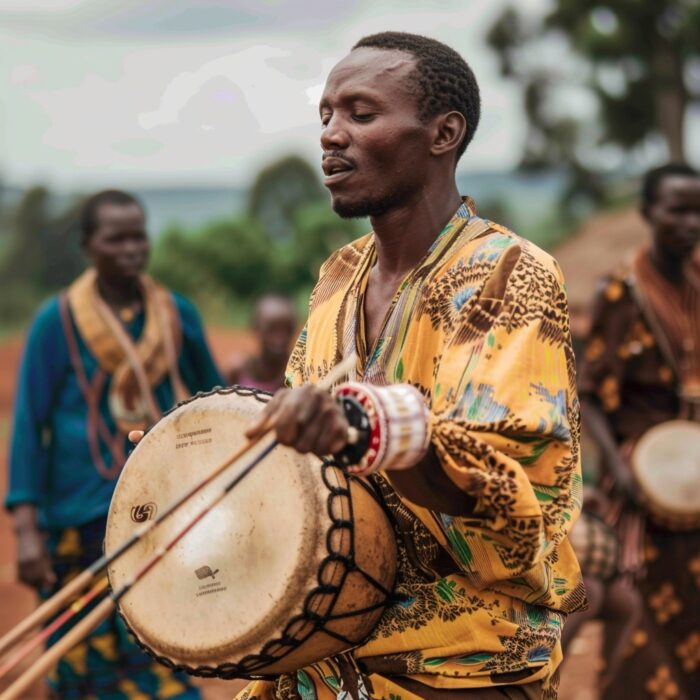
Burundi's royal drums are the country's best-known export, and they were never entertainment. They belonged to the king, they announced decisions and seasons, and they were played by hereditary drummers — the Abatimbo — who were officers of the kingdom rather than musicians.
The ritual survives at the Gishora sanctuary near Gitega, where the same families still play, and UNESCO added it to the list of the intangible cultural heritage of humanity in 2014. If you see one thing cultural in Burundi, make it this, and arrange it properly rather than catching a hotel display.
The other instruments
Beyond the drums there is a quieter tradition that is easy to miss. The inanga, a wooden trough zither, is played softly while the singer half-speaks over it — music made for a small room and a few listeners, not a stage. The umuduri is a musical bow with a gourd resonator. The ikembe is the thumb piano you will hear in markets and on buses.
These are the instruments of ordinary evenings rather than ceremonies, and a good guide can usually find someone who plays.
Dance and dress
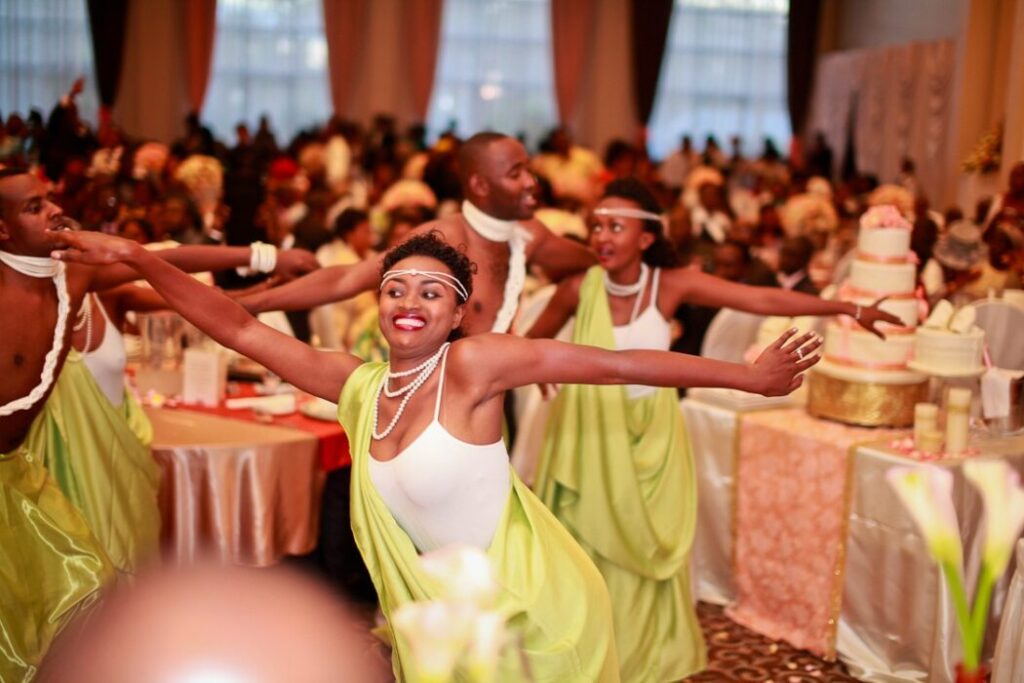
Traditional dance here is athletic and precise: the drummers leap while playing, and the women's dances are built on controlled, rippling arm movements. You will see it at weddings, national celebrations and cultural centres, and increasingly at hotels on the lake.
Traditional dress — wrapped cloth, worn with beadwork for ceremonies — comes out for weddings, church and official occasions rather than daily life. When it appears, it is a sign that something important is happening.
Eating together
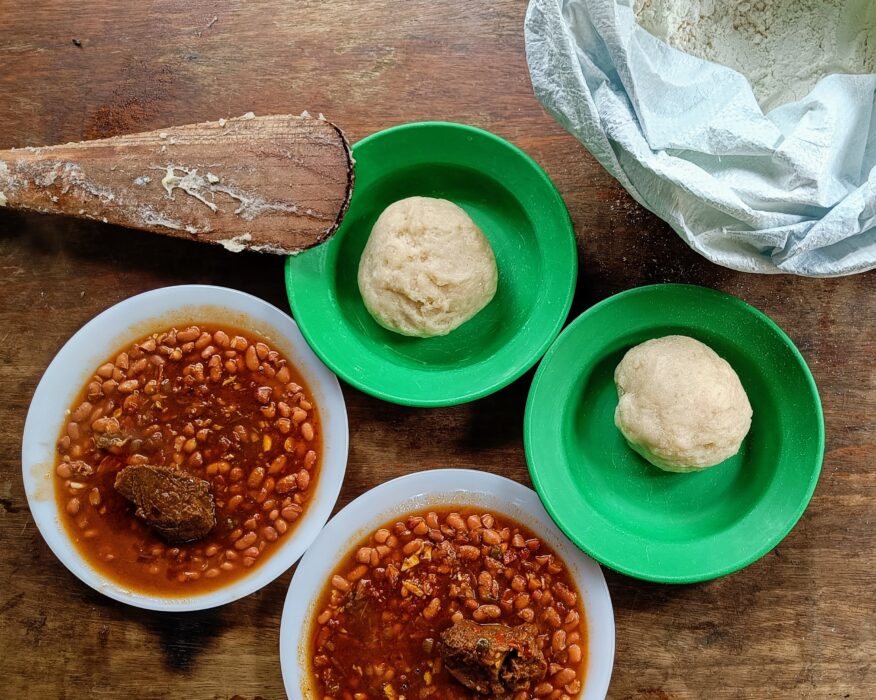
Burundian food is simple, filling and built around what the hills produce: beans, bananas, cassava, sweet potato, and ubugari, a dense staple eaten with the hands and dipped in sauce. On the lake it is grilled fish — mukeke, ndagala, sangala. In town it is brochettes grilled over charcoal with chips or plantain.
The eating customs matter more than the menu. Food is shared from common dishes, elders are served first, and you wash your hands before and after. If you are invited to eat in someone's home, accept — and bring something, however small.
Crafts
Burundian basketry is the craft to look for: tightly coiled baskets in natural fibre with dark geometric patterns, the finest of them woven so closely they hold liquid. The lidded agaseke basket is traditionally a gift — given at weddings, used to carry something valuable to someone you respect — which makes it a far better souvenir than it first appears.
Pottery, woodwork and drum-making are concentrated in particular hills, and the craft markets in Bujumbura and Gitega will point you to them.
The land itself
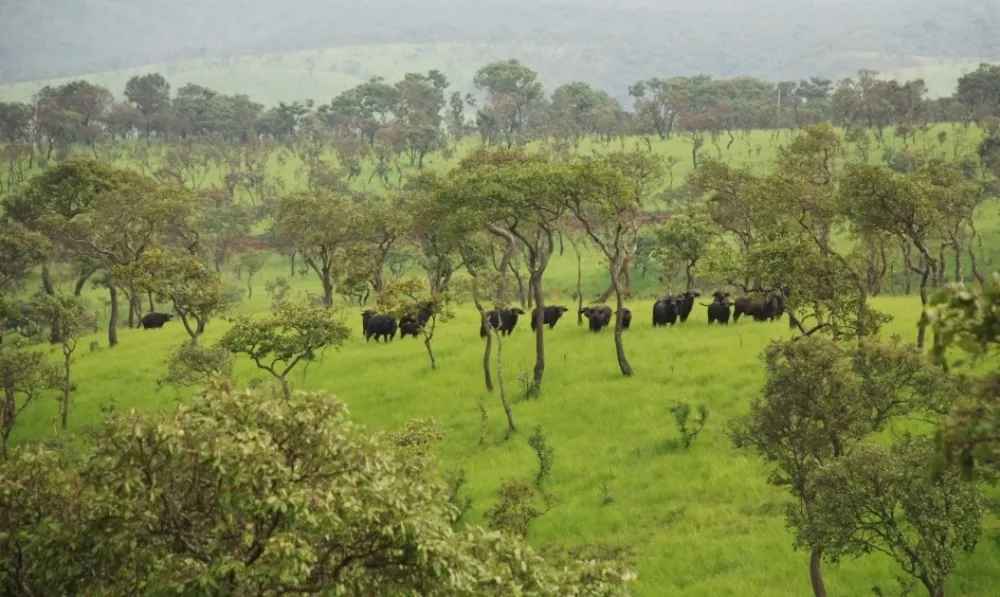
Culture here is inseparable from the landscape: the hills that everyone farms, the lake that feeds the west of the country, and the protected pockets that remain — Ruvubu's wooded savannah in the east, Kibira's mountain forest in the north-west, Rusizi's delta near the capital. Cattle still carry a social weight far beyond their market value, and you will see herds walking the roadside everywhere.
How to be a good guest
- Greet properly. Burundians greet at length, and skipping it to get to the point reads as rude. Learn amahoro — peace — and use it.
- Ask before photographing people, always, and accept no as an answer. Never photograph soldiers, police, government buildings or the airport.
- Dress modestly away from the beaches, particularly in rural areas and churches.
- Use both hands, or the right hand, when giving and receiving.
- Be careful with history. Burundi's recent past is painful and complicated, and visitors asking about ethnicity over dinner is not welcome. If someone wants to tell you their story, listen; don't go looking for it.
What you take home
Most people arrive in Burundi knowing one thing about it — the drums — and leave remembering the way they were greeted. The culture that lasts here is in the daily, unremarkable things: the shared dish, the long hello, the basket given rather than sold. Spend a little time in it and the country opens up.